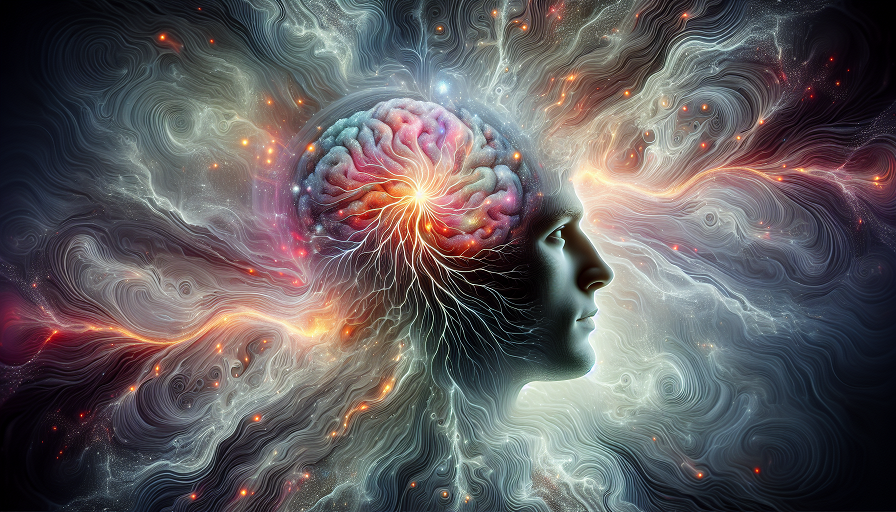
A priest, a rabbi, and a neuroscientist walk into a bar… if your brain just perked up, you’re not alone. The moment we hear the start of a joke or encounter a clever pun, something kicks into gear: a mental jolt, a shift in attention, a “wait, what?” followed by “ohhh, I get it!” That’s not just laughter—it’s a neurological light show. Humor, it turns out, is more than entertainment. It’s evidence of cognitive superpowers at work.
From dad jokes to high-level satire, humor reveals how your brain handles complexity, surprise, ambiguity, and contradiction. In fact, the very same mental muscles we use for understanding jokes are involved in problem-solving, empathy, and creativity. Here we look at why funny equals smart—and why your giggles might be your brain flexing its finest abilities.
How Humor Works: The Mechanics of a Mental Shift
Humor relies on a particular formula: setup → expectation → incongruity → resolution. The setup primes your brain to expect one thing. The punchline delivers something unexpected. Your mind then scrambles to bridge the two—often in a split second. That cognitive leap is where the magic happens.
Steps of Joke Processing:
- Expectation: The brain predicts what’s coming based on patterns
- Violation: The punchline disrupts that pattern (surprise!)
- Resolution: The brain rapidly reinterprets the meaning
This quick-fire decoding and reinterpretation recruits several regions of the brain—making humor a whole-brain workout.
The Neurology of Laughter and Insight
When you “get” a joke, your brain responds in a way that mirrors the feeling of insight—an “aha” moment. That’s because many of the same brain circuits are involved.
Key Brain Regions Involved in Humor:
- Prefrontal cortex: Evaluates context and recognizes incongruity
- Temporal lobes: Interpret language and abstract meaning
- Anterior cingulate cortex: Monitors conflict and resolution
- Nucleus accumbens: Triggers reward and pleasure (the laugh!)
So humor isn’t just about “funny ha-ha”—it’s a form of cognitive play that sharpens your neural flexibility.
Puns: Pattern Recognition with a Twist
Ah, the pun—language’s double agent. A pun works by using homophones (words that sound alike) or polysemy (words with multiple meanings) to create a mental switcheroo.
For example: “I used to be a banker but I lost interest.” Your brain hears it one way… then flips the meaning. This process is a testament to your brain’s pattern detection abilities.
Why Puns Are a Cognitive Workout:
- They test semantic flexibility (can you reinterpret meaning quickly?)
- They trigger lateral thinking (jumping between associations)
- They demand fast linguistic processing and metalinguistic awareness
So if you love puns, you’re not just corny—you’re cognitively agile.

Paradoxes: Where Humor Meets High-Level Logic
A paradox is a statement that defies logic—until you look closer. Think: “This sentence is false.” Your brain tries to resolve the contradiction and gets caught in a loop. The confusion itself can become humorous—or at least intellectually satisfying.
What Paradoxes Reveal About the Brain:
- Tolerance for ambiguity: The brain holds two contradictory ideas simultaneously
- Abstract reasoning: It tests conceptual thinking beyond the literal
- Meta-cognition: The brain reflects on its own processing
When humor dips into paradox—like in absurdist comedy or ironic one-liners—it’s often a sign that your brain is operating in complex conceptual territory.
Humor as a Sign of Intelligence
Several studies have linked humor—especially the ability to produce it—to higher levels of verbal intelligence, social cognition, and creativity. Quick wit requires mental speed, flexibility, and a high degree of contextual awareness.
Traits Associated with Humor and Intelligence:
- Creative fluency: Generating ideas rapidly
- Empathy: Understanding how others will interpret meaning
- Inhibition control: Timing jokes appropriately
- Resilience: Using humor as a coping and reframing tool
So if you use jokes to diffuse tension, clarify ideas, or navigate awkwardness, you’re using humor as a cognitive navigation system.
Why Your Brain Craves the Unexpected
Humor thrives on the unexpected, and so does the brain. Novelty activates dopamine pathways, making surprise not just interesting, but rewarding. That’s why even predictable jokes feel flat, while a well-timed punchline feels like a revelation.
Humor also strengthens memory. People are more likely to remember information when it’s embedded in a joke or funny story. This makes it a powerful teaching and communication tool.
Can Nootropics Enhance Cognitive Flexibility for Humor?
While there’s no pill that makes you instantly funnier (if only), some nootropics may support the mental agility required for joke comprehension and creative verbal play.
Nootropics That May Help:
- L-Theanine: Enhances relaxed focus for better timing and flow
- Citicoline: Supports verbal fluency and quick recall
- Lion’s Mane Mushroom: Boosts neuroplasticity for lateral thinking
- Rhodiola Rosea: Improves cognitive performance under pressure
These supplements won’t write your punchlines—but they may sharpen the mental tools that help you spot the joke before it lands.
Humor isn’t just comic relief—it’s a sign of a flexible, pattern-hungry, high-performing brain. Whether you’re deciphering a pun, unraveling a paradox, or delivering the perfect one-liner, your mind is doing some seriously complex lifting behind the laugh.
So the next time someone makes a joke and you “get it” instantly, smile wider. That giggle is a sign your brain is on fire—in the best possible way.